How to Choose a Commercial Glass Contractor in Salem, OR: What to Look For in 2026
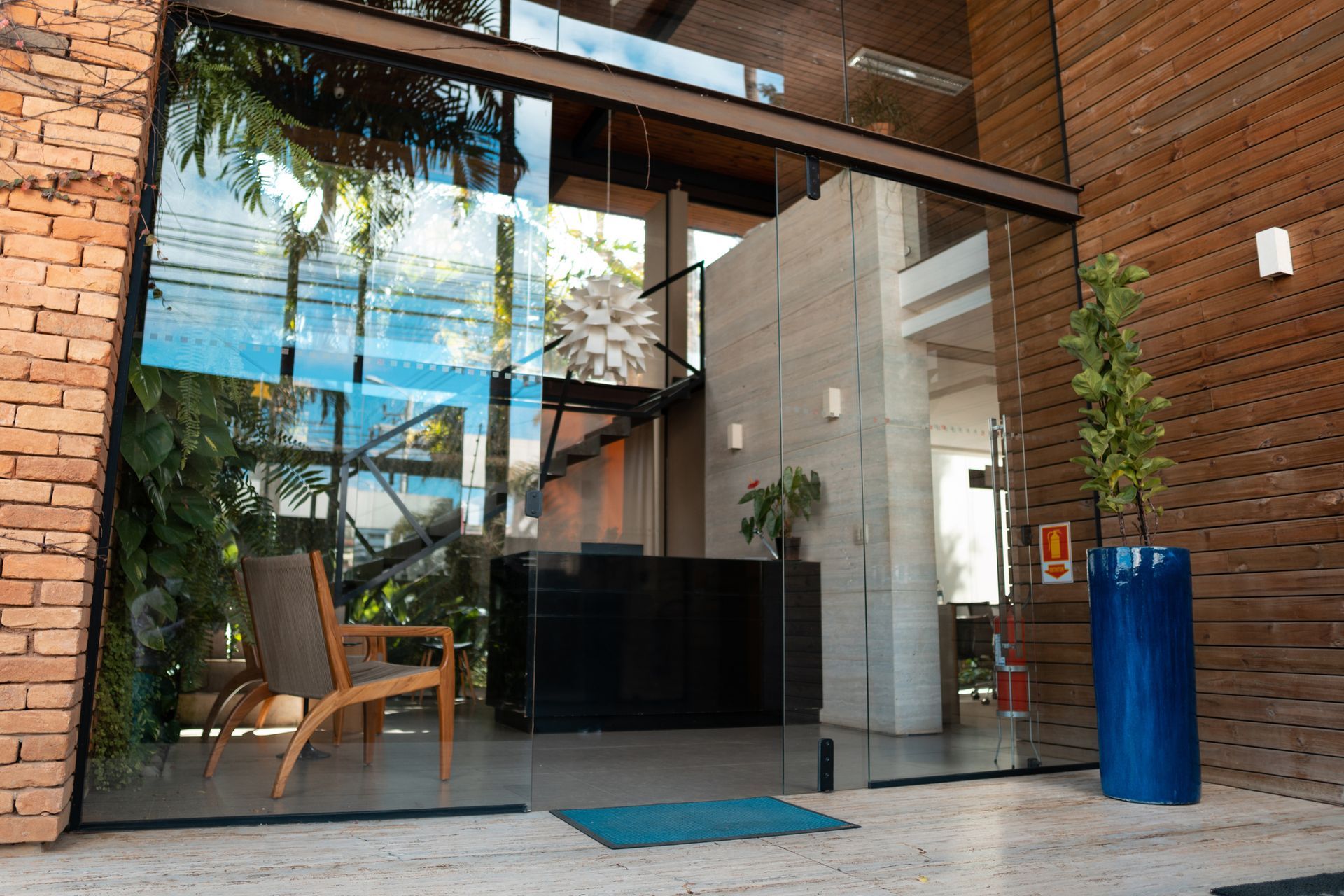
Before installing commercial storefront glass in Portland, OR, business owners should understand the available glass types, Oregon's energy code requirements, and when repair makes more sense than full replacement. Storefront glass does more than display your products to passersby. In a climate like Portland's, it also has to handle steady rainfall, overcast skies, occasional windstorms, and damp, cool winters that stretch from October through April. Choosing the wrong glass can mean higher heating bills, faster seal failures, or safety hazards. Here is what you need to know before moving forward.
Glass Types for Pacific Northwest Storefronts
The right glass type depends on your business location, foot traffic, and energy goals.
Tempered glass is heat-treated to be significantly stronger than standard glass. If it breaks, it shatters into small, blunt pieces rather than dangerous shards. Tempered glass is often required by code for doors, sidelights, and glazed panels close to the floor or a walking surface. It works well for high-traffic retail entrances in the Pearl District, Alberta Arts District, or downtown Portland.
Laminated glass bonds two or more glass layers with a polyvinyl butyral (PVB) interlayer. When struck, it holds together rather than falling apart, which can deter smash-and-grab break-ins and reduce outside noise near MAX light rail lines or busy streets like East Burnside.
Insulated glass units (IGUs) use two or three panes separated by a sealed spacer, sometimes filled with argon or krypton gas. IGUs reduce heat transfer, which matters in a Pacific Northwest climate where heating may run six or more months of the year.
Low-E glass adds a thin metallic oxide coating that reflects infrared heat while letting visible light through. In Portland's gray winters, Low-E helps keep interiors warmer without blocking natural light. Low-E coatings can be combined with IGUs for improved overall performance.
Many Portland storefronts use a combination, such as tempered or laminated glass in door and entry panels paired with Low-E insulated glass in larger fixed window areas.
How Portland's Climate Affects Storefront Glass Performance
Portland's wet, mild climate can shorten the life of commercial storefront glass in Portland, OR if the wrong product or installation method is used.
The Portland metro area averages around 43 inches of rain annually. Moisture is the leading cause of seal failure in IGUs. When seals fail, condensation forms between panes, reducing visibility and insulating performance. Proper frame sealing, quality spacers, and professional installation reduce this risk significantly.
Thermal cycling still stresses glass and frame connections over time, though Portland's temperature swings are moderate compared to inland climates. Silicone-based glazing compounds and quality aluminum framing systems handle this well.
The Columbia River Gorge can funnel east winds into the metro with gusts occasionally reaching damaging levels in east Portland and Gresham. Businesses in exposed locations near the gorge may want to consider laminated or thicker-gauge glass.
Oregon Energy Code Basics for Commercial Storefronts
Oregon's commercial energy code sets minimum performance standards for commercial storefront glass in Portland, OR and throughout the state.
Oregon's commercial energy provisions fall under the Oregon Energy Efficiency Specialty Code (OEESC), which became mandatory on July 1, 2025, based on ASHRAE Standard 90.1-2022. The code regulates fenestration U-factors and solar heat gain coefficients (SHGC). Portland falls in Climate Zone 4C, which means glazing products must meet specific minimum thermal performance thresholds.
Business owners planning a new installation or a significant storefront upgrade should verify that their chosen glass and frame combination meets current OEESC requirements before permitting. A knowledgeable installer can help identify code-compliant products and assist with documentation for permit applications through the City of Portland Bureau of Development Services.
Repair or Full Replacement: How to Decide
Minor issues such as a cracked pane in an older single-glazed system, a failed IGU seal, or a damaged door closer can often be addressed with targeted repairs at lower upfront cost and less business disruption.
Full replacement may make more sense when the existing system no longer meets energy code, multiple panes show seal failure or fogging, framing has experienced structural damage, or the owner wants to upgrade to Low-E or insulated glass across the full storefront. Businesses throughout the Portland metro dealing with an aging single-pane system often find that long-term energy savings offset the higher initial investment.
Emergency Board-Up After Storefront Damage
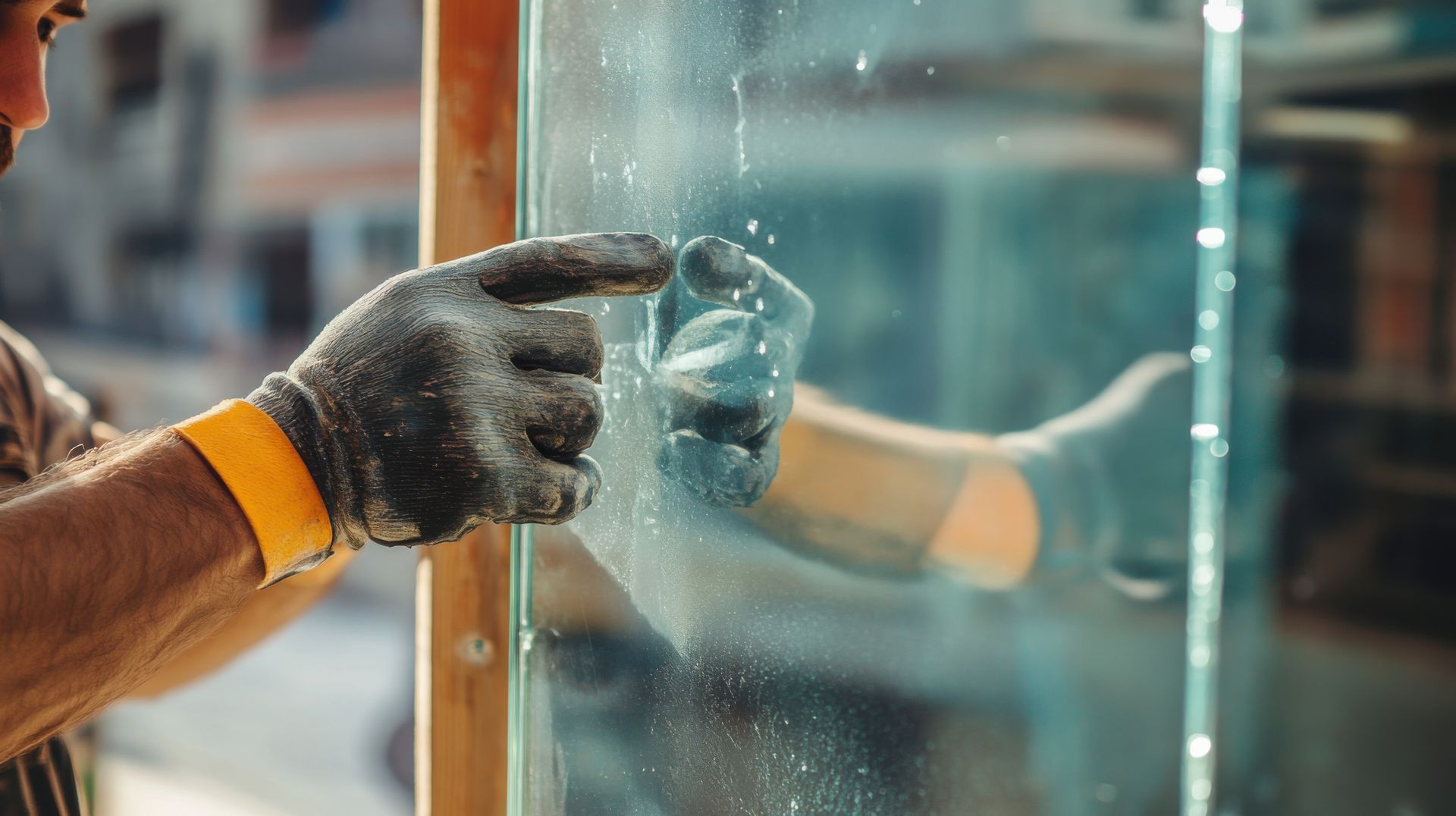
Vandalism, vehicle impact, severe weather, and break-ins can leave a storefront exposed. Temporary board-up services can secure the opening until permanent glass can be measured, ordered, and installed. Acting quickly helps protect your merchandise, interior, and liability exposure.
Frequently Asked Questions
Is Tempered Glass Required for Commercial Storefronts in Portland?
Tempered or laminated safety glass is required near walking surfaces, doors, hazardous locations under the Oregon Structural Specialty Code. Your installer can assess your layout.
Can I Add Low-E Glass to an Existing Aluminum Storefront Frame?
Existing aluminum framing can often accept new Low-E IGU panels without full replacement, depending on frame condition and pocket dimensions. A professional assessment confirms feasibility.
How Long Does a Typical Storefront Glass Installation Take?
Most installations take one to two days, depending on system size and whether custom glass requires factory ordering. Larger projects may take longer.
Ready to Move Forward With Your Portland Storefront Project?
Whether you need a
new storefront glass installation, a system refresh, or emergency repair, A-1 Glass and Mirror serves businesses across the Portland metro area with installation, repair, Low-E and insulated glass, and emergency response services. To discuss your project and request a quote,
contact the team, call
(503) 646-9641, or read our reviews for
A-1 Glass and Mirror on Google.