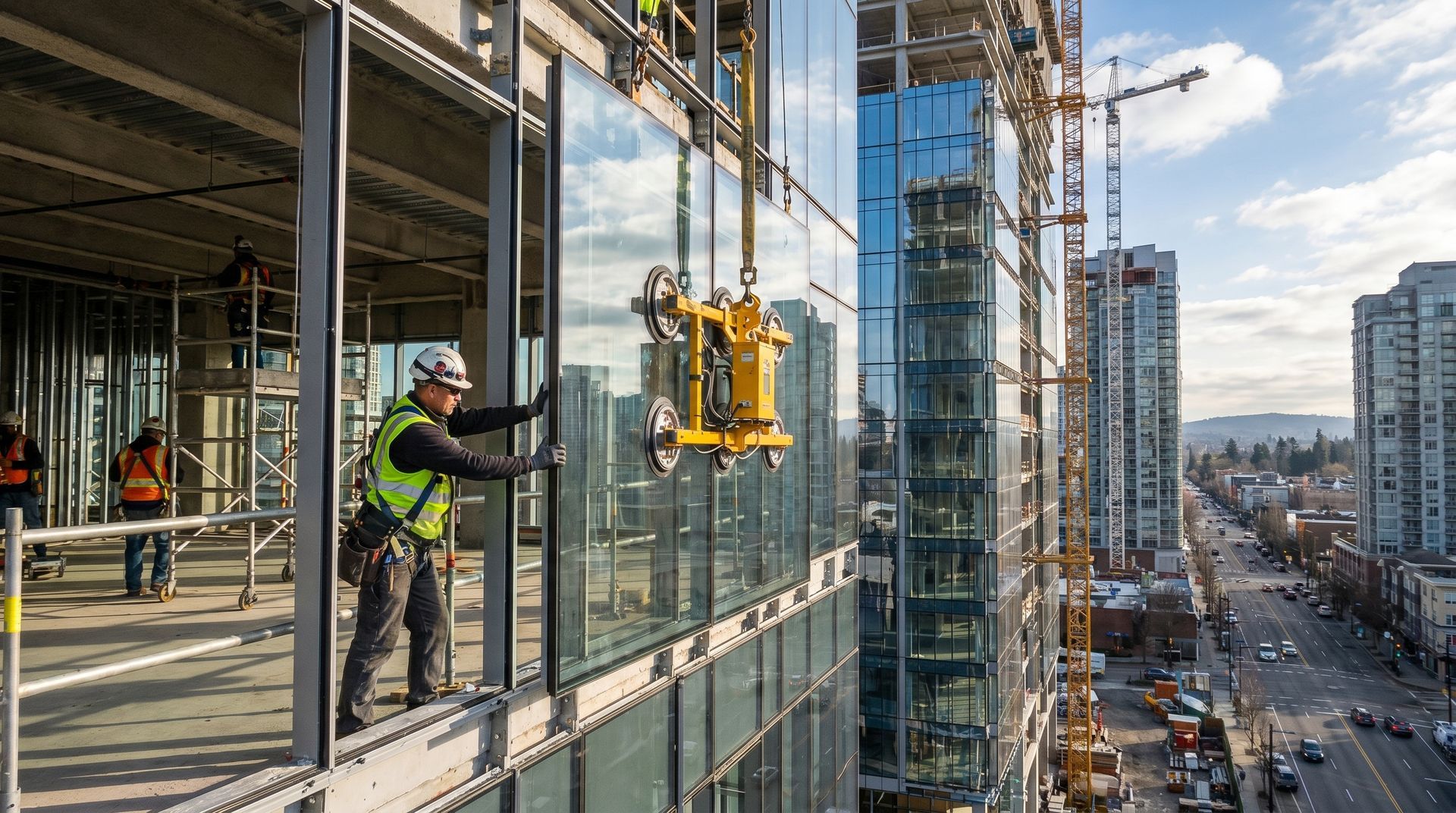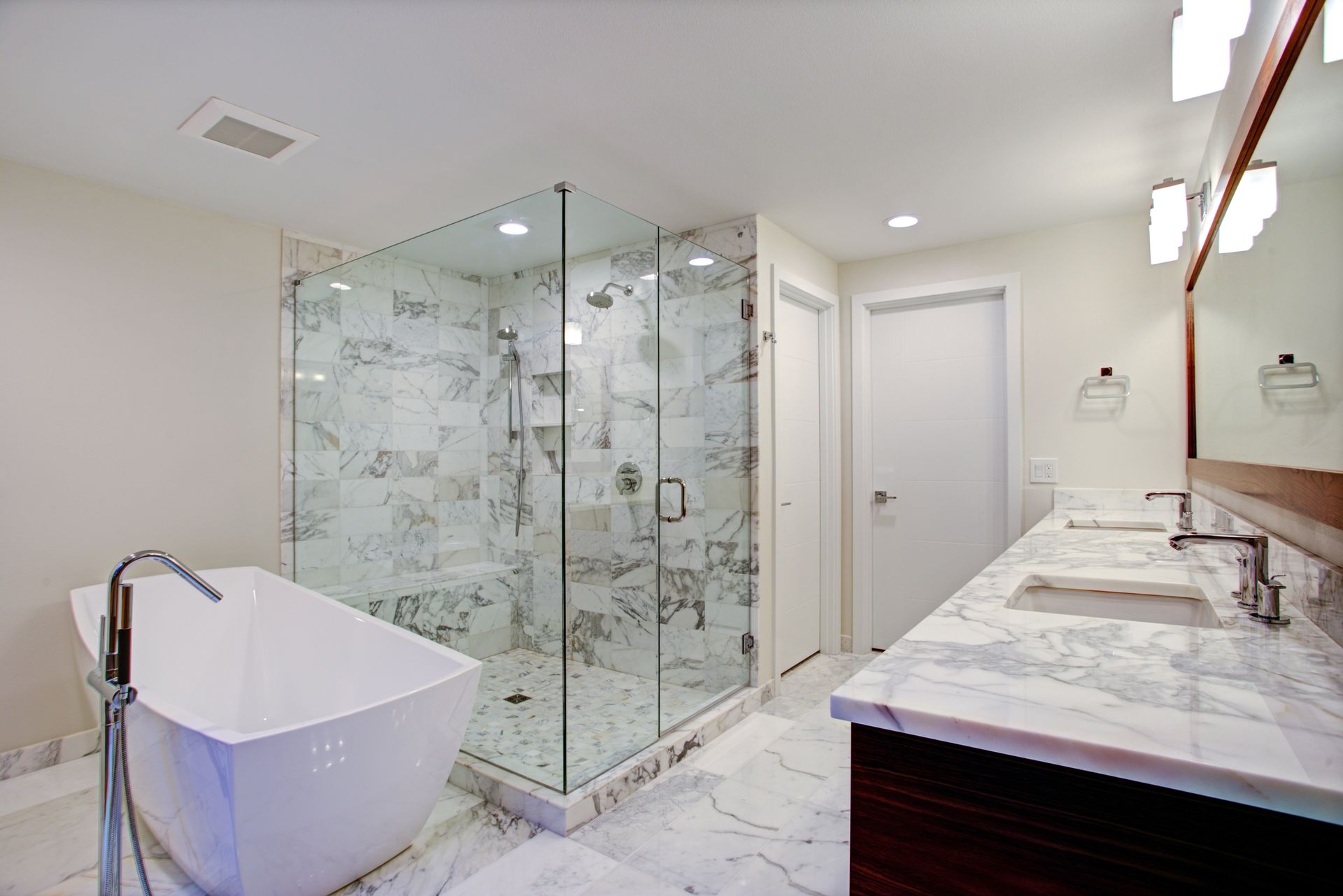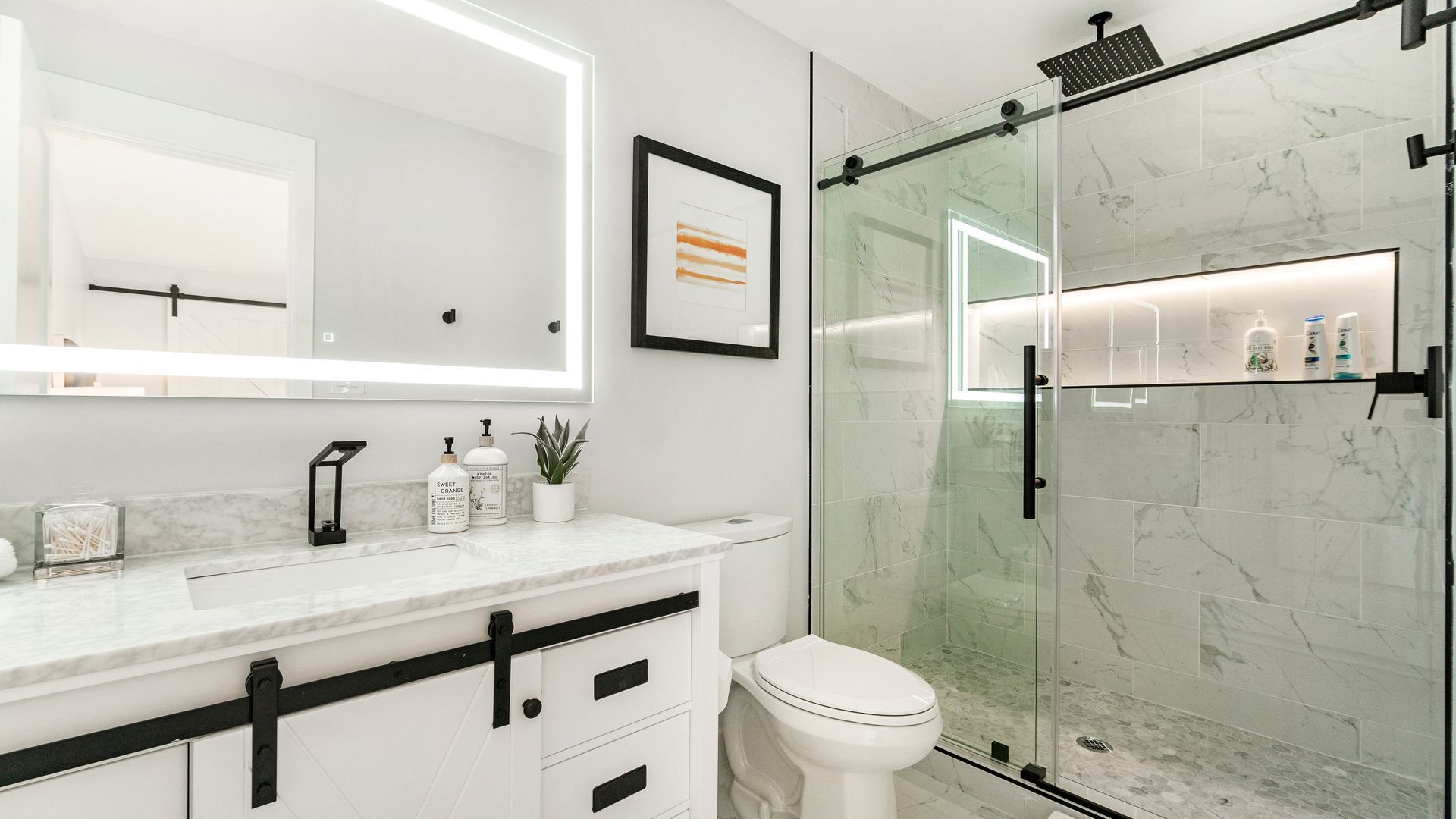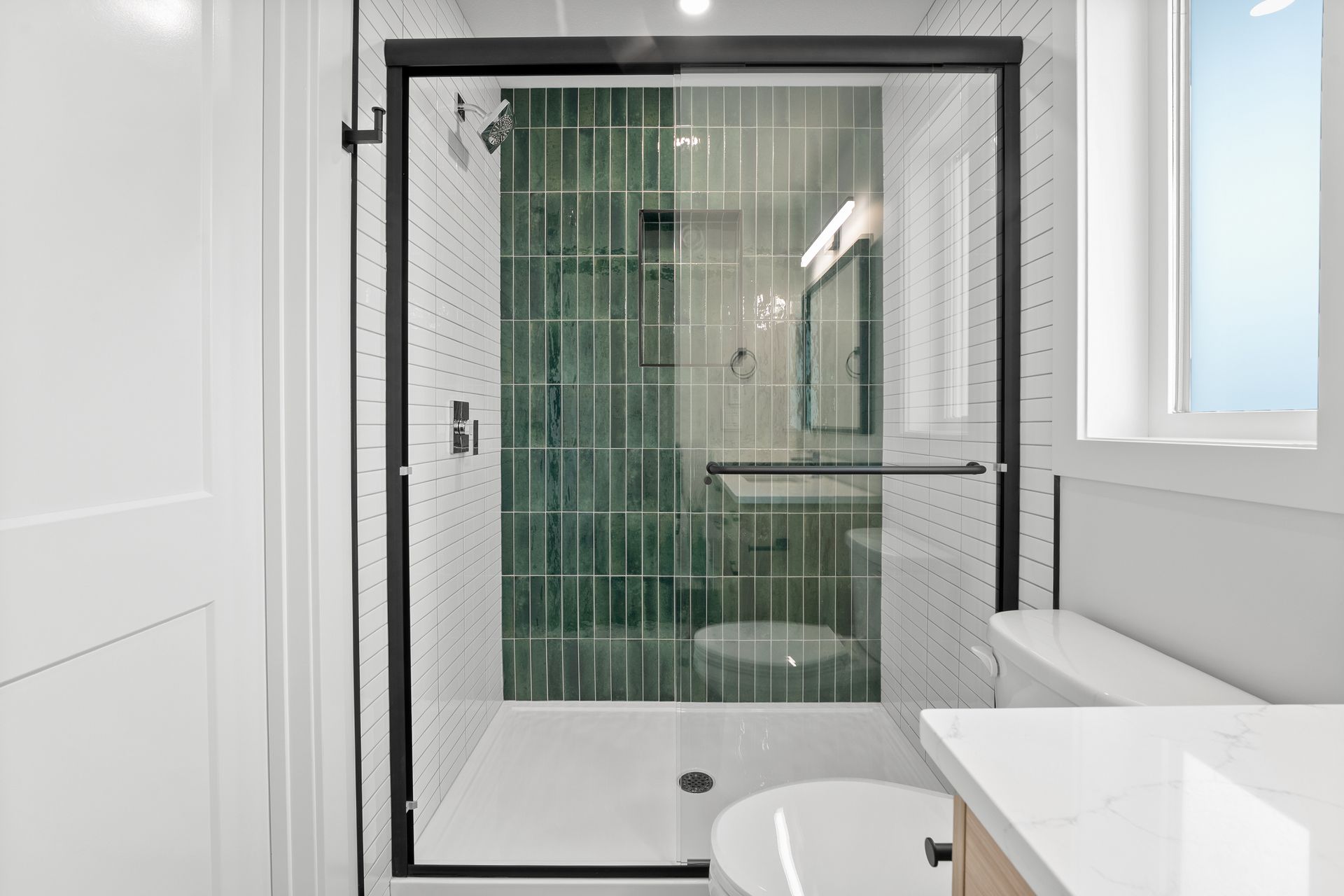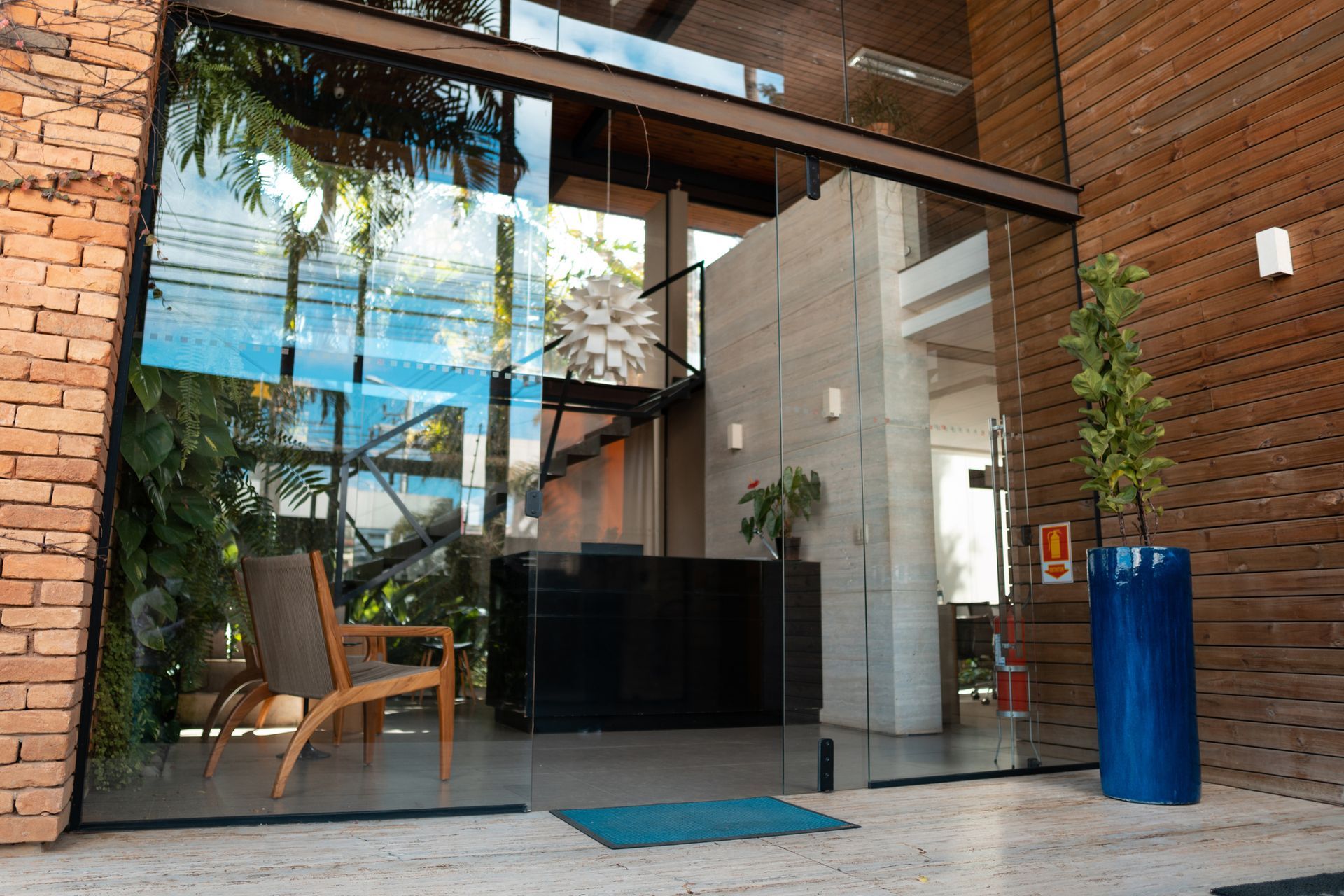
Oregon's energy code now shapes nearly every Commercial Glass Installation decision for businesses in Oregon City, OR. Whether you are upgrading a Main Street storefront, fitting out a Clackamas County office, or refreshing a retail space near the Willamette Falls corridor, the 2025 Oregon Energy Efficiency Specialty Code (OEESC) sets the performance floor for every pane of commercial glass you install. This guide explains what the code requires and how to select glass that passes inspection and serves your building long-term.
What the 2025 OEESC Means for Oregon City Businesses
The 2025 OEESC, based on ASHRAE Standard 90.1-2022, became effective January 1, 2025, and mandatory after a six-month phase-in ending July 1, 2025. Any permitted Commercial Glass Installation in Oregon City, OR, submitted today must comply with these rules.
Oregon City sits in Clackamas County, which falls under Climate Zone 4C, along with Multnomah, Washington, Yamhill, Marion, and other western Oregon counties. That zone classification directly determines which U-factor and SHGC numbers your glass must meet.
What Are U-Factor and SHGC, and Why Do They Matter?
U-factor and SHGC are the two numbers that drive commercial glass selection under the OEESC. The U-factor measures heat loss through the window; the lower the number, the better the insulation. SHGC measures how much solar heat enters through the glass, rated on a scale from 0 to 1.
For commercial buildings in Climate Zone 4C, including Oregon City, the prescriptive requirements set a maximum U-factor of 0.38 for fixed windows and a maximum SHGC of 0.38. Glass that does not meet these ratings may fail a city permit review and require costly replacement before the project can close out.
How Oregon City's Climate Shapes the Right Glass Choice
Oregon City sits in a marine climate zone with long, damp winters and brief dry summers. This heating-dominant climate changes how you balance U-factor and SHGC. A higher SHGC can allow winter solar heat gain to offset some heating energy, but the OEESC caps SHGC at 0.38 for Climate Zone 4C commercial properties. Selecting glass near the top of the allowed SHGC range may help a south-facing storefront capture passive solar warmth on gray winter days without exceeding code. Matching SHGC to orientation, not just to code minimums, tends to produce better energy outcomes.
Low-E Glass and Insulated Glass Units for Code Compliance
Low-E glass is the most practical path to OEESC compliance for most Oregon City commercial projects. A thin metallic coating reflects infrared and ultraviolet light, helping control indoor temperatures by retaining heat in winter and blocking it in summer. Combining a Low-E coating with an argon-filled insulated glass unit (IGU) is often the most cost-effective way to reach a U-factor at or below 0.38 for a Commercial Glass Installation in Oregon City, OR, whether for a storefront system, curtain wall, or window replacement.
For a retail business on Oregon City's 7th Street or along Molalla Avenue, visible transmittance also matters. Customers need to see in, and natural light keeps energy costs lower throughout the day.
Fenestration Area Limits and Replacement Rules
The OEESC also limits how much of a wall surface commercial glazing can cover. Vertical fenestration area shall not exceed 30 percent of the gross above-grade wall area. A path to 40 percent coverage exists but requires additional daylighting and controls compliance.
Replacement projects are not automatically exempt. Where an existing fenestration unit is replaced with a new product, including sash and glazing, the replacement unit must meet the applicable U-factor and SHGC requirements. An Oregon City business replacing an aging single-pane storefront must bring the new Commercial Glass Installation up to current OEESC standards, not simply match what was there before.
When to Involve a Licensed Glass Contractor
A licensed commercial glass contractor can review product specifications, confirm that NFRC-labeled U-factor and SHGC values meet prescriptive requirements, and coordinate with the Oregon City Building Department before work begins. U-factors shall be determined in accordance with NFRC 100 by an accredited, independent laboratory, and labeled and certified by the manufacturer. Verifying the correct NFRC label before installation avoids failed inspections and keeps your project on schedule and on budget.
Get Your Oregon City Commercial Glass Project Started
With the right glass products and a contractor who knows the OEESC, Commercial Glass Installation serving Oregon City, OR, can move from specification to permitted installation without surprises. A-1 Glass & Mirror has been serving Oregon businesses for over 50 years, offering commercial storefront glass, Low-E and insulated glass unit options, office partitions, and more. To discuss your project and request a free quote, contact the team online or call (503) 646-9641 today.